 Ask
How to write a complaint or claim letter with AI
Contents
Something broke under warranty, the building management company won't answer the phone, the landlord is keeping your deposit. A written claim often settles what a conversation didn't, and AI helps you write it calmly, to the point and with the right dates.
Claim, complaint, request: what's the difference
- A claim goes to whoever owes you: a shop, a contractor, a landlord. It contains a specific demand, such as a refund or a repair, and a deadline.
- A complaint goes to someone who can act on the other party: a regulator, a higher authority, management.
- A request or application is for when you ask for something to be done or issued: a certificate, documents, a recalculation.
The usual order: a claim directly first, and only if that fails, a complaint higher up. If you're not sure which you need, ask:
Try asking: For three months the management company hasn't fixed a roof leak and doesn't answer calls. What should I write first: a request to them, a claim or a complaint? And where do I go if they don't reply?
Step 1. Gather the facts
A letter's strength is in facts, not emotion. Before asking for the text, prepare:
- Who you are and who it's to. Your full name and address; the organisation's name and address.
- What happened, by date. When you bought it, when it broke, when you contacted them, what they said.
- Documents. The receipt, contract, warranty card, report, messages, photos of the damage.
- What you want. One or two specific demands: a refund, a replacement, a repair, a recalculation.
- The deadline you're giving.
You can simply attach the receipt and screenshots, up to 5 files per message: the AI takes the dates and amounts from them.
Step 2. Ask for the letter
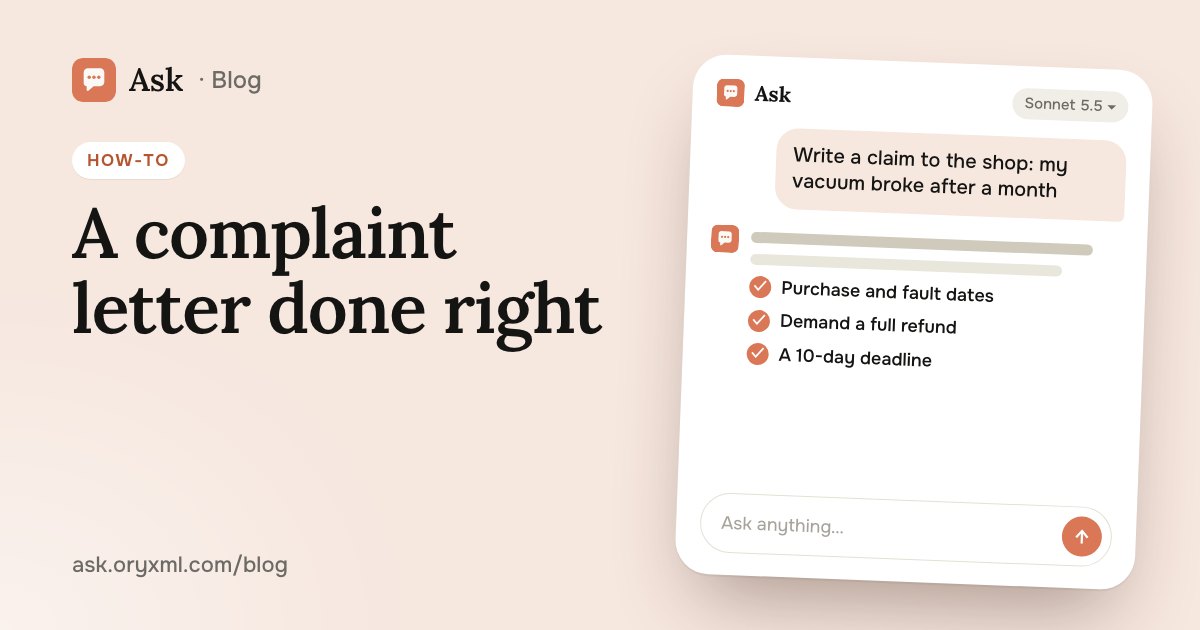
Try asking: Write a claim letter to a shop. On 12 October I bought a vacuum cleaner for 14,990 rubles; the receipt is attached. On 15 November it stopped turning on; the warranty is one year. I want a refund. Businesslike tone, no emotion. Name the law I'm relying on and leave gaps for my details.
A good claim has these parts:
| Part | What goes in it |
|---|---|
| Header | To: the organisation and its address. From: your name, address, phone |
| Title | “Claim” or “Request” |
| Facts | What happened, when and where, with dates and amounts |
| Grounds | The contract or law you rely on |
| Demand | What you want, in one or two sentences |
| Deadline | By when you expect a reply or action |
| Consequences | What you'll do if it isn't met: for example, go to a regulator or to court |
| Enclosures | A list of the copies attached |
| Date and signature |
Send copies of documents and keep the originals.
Examples for different recipients
A shop or contractor. Russia's consumer protection law sets its own deadlines: for example, a seller must meet a demand to refund a faulty item within 10 days. Ask the AI for the articles and deadlines that apply to your case.
A building management company. Describe the problem and the address, when and how you've already contacted them, and attach photos. Ask them to register your request and give you its reference number.
Try asking: Write a request to the management company about a roof leak into flat 48. I called on 2 and 16 October with no result. I'm asking for an inspection, a written report and the leak to be fixed. Add where I can complain if there's no reply.
A landlord. Usually it's about the deposit or repairs. Refer to the clause in the contract and describe the condition you left the flat in.
Try asking: The landlady won't return my 30,000-ruble deposit, although we moved out on 1 November and she accepted the flat without remarks. Here's the contract. Write a polite but firm claim citing its clauses, with a 10-day deadline.
An employer. For example, a request for copies of your employment documents or for unpaid wages. Russia's Labour Code sets a deadline for issuing copies of documents, usually three working days. Check the current text of the law.
Tone: firm but calm
A person reads your letter on the other side too. Threats, capitals and “you must immediately!” make people defensive. Facts, a reference to the contract or the law and a clear deadline make them want to resolve it.
Try asking: Here's my draft; I wrote it angry. Make it calm and businesslike, but not soft: keep every fact and demand.
Many people never send a claim because they're afraid of doing it “wrong” and looking foolish. A letter doesn't have to be legally perfect: it's enough that it has the facts, a demand and a deadline.
Step 3. Check and send
- Check every date, amount and number against your documents. The AI takes them from what you gave it, but double-check.
- Check the law references. AI can get an article number wrong or quote an old version. You can ask it to find the current text on the web, but for anything important show the letter to a lawyer or a consumer rights organisation.
- Send it with proof of receipt: in person, with your copy marked as received, or by registered mail with proof of delivery and a list of enclosures.
- Note the deadline, and if there's no reply, move on to a complaint to the regulator. AI can help with that too.
If the dispute comes from a contract, go through the contract first with how to check a contract with AI. If you're holding a confusing reply or a bill, see how to explain a document from a photo.
Frequently asked questions
Can I send a claim letter written by AI without a lawyer?
Which tone is best: polite or tough?
Can I attach a photo of the receipt and the messages?
How do I send a claim so it can't be ignored?
Try it on your own task
Your first answer arrives in seconds. No VPN, no password, and there’s a free plan.
Ask for freeKeep reading
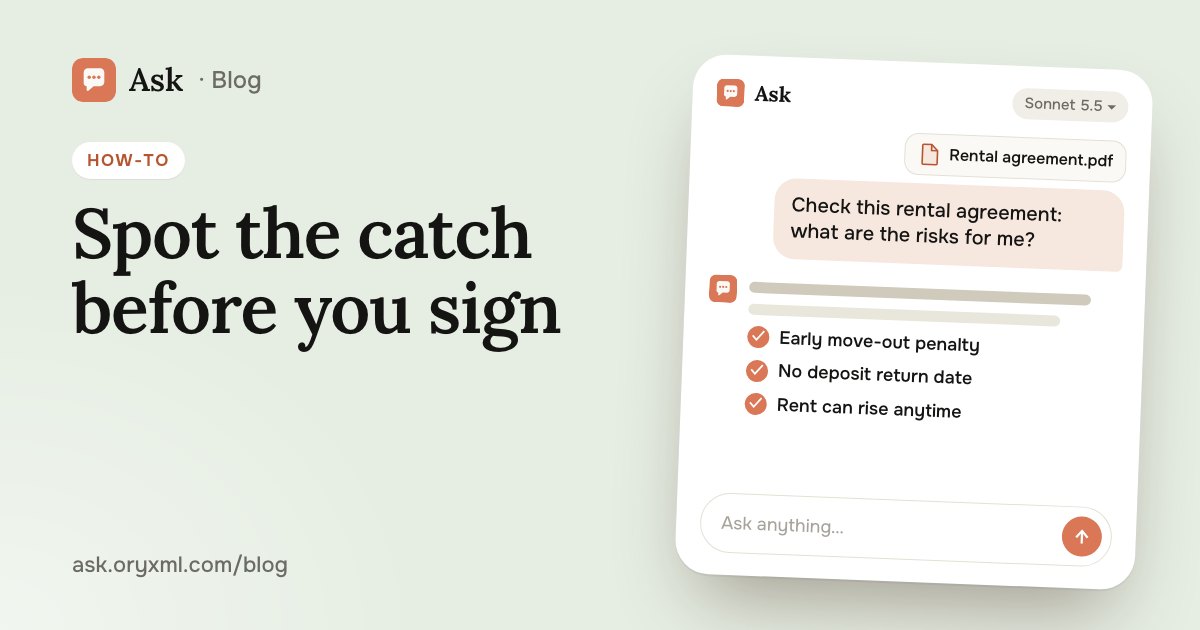
How to check a contract with AI: a step-by-step guide
Check a rental, employment, purchase or service contract with AI: what to ask about penalties, termination and hidden payments, and what AI can't replace.
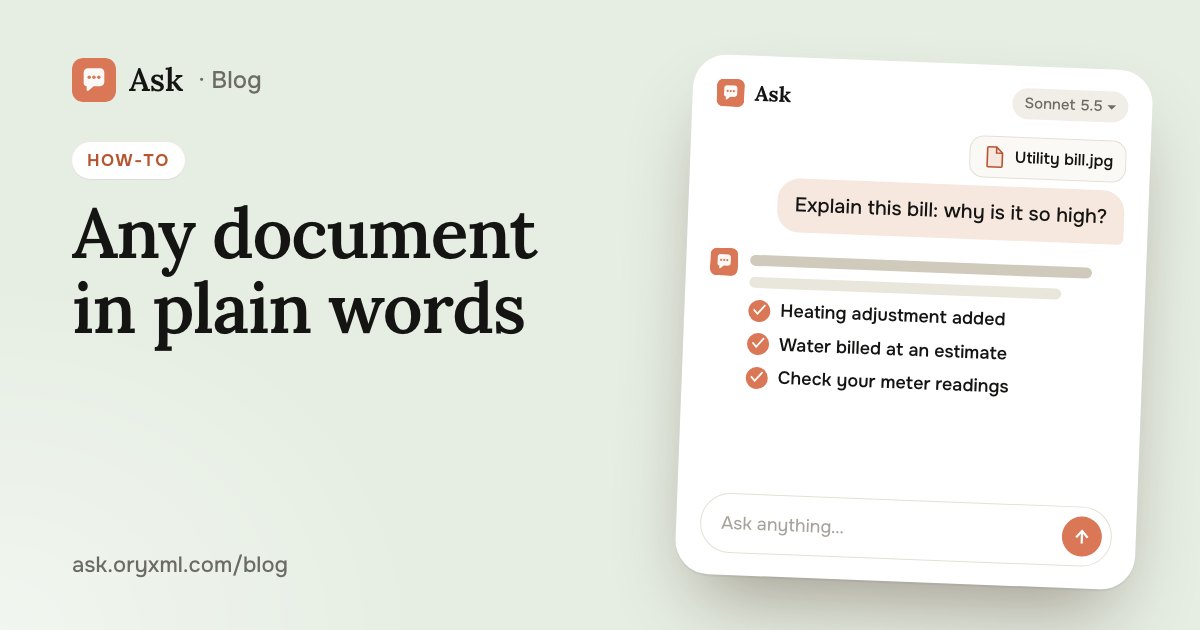
Explain a document from a photo with AI: bills, letters, lab results
Photograph a utility bill, bank statement, manual, official letter or lab results, and AI explains it in plain words. How to shoot it and what to cover first.
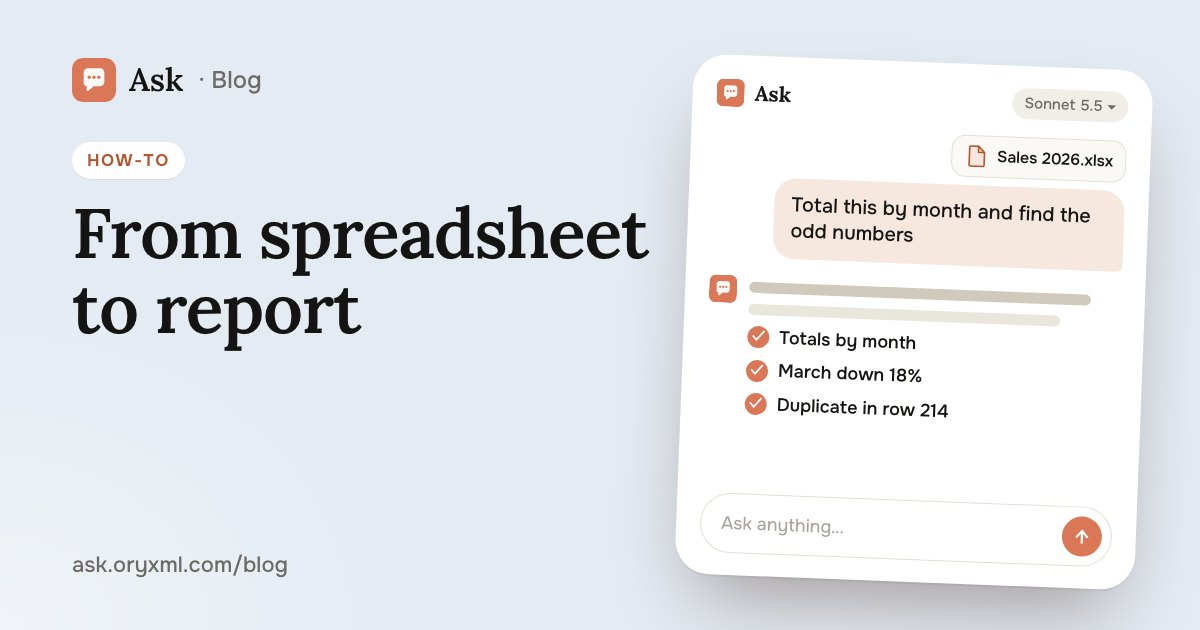
AI for Excel: how to analyse spreadsheets and write reports
Analyse an Excel spreadsheet with AI: totals, trends, outliers, a summary for your boss, VLOOKUP, XLOOKUP and SUMIF explained, data cleaning and what to check.