 Ask
Job interview practice with AI: questions and a mock interview
Contents
Almost everyone is nervous before an interview: afraid of freezing on an easy question or naming the wrong salary. AI can be your coach, asking the questions, listening to your answers and saying honestly what to improve, and getting it wrong in front of it costs nothing.
Step 1. Gather the questions for your role
Start with the job ad and your resume. The more specific you are, the closer the questions get to the real ones.
Try asking: Here's the job ad and my resume. Write 15 questions I'm most likely to be asked: general, professional and awkward ones. Mark which will be hardest for me given my experience.
A good list includes:
- About you: tell me about yourself, why are you leaving, why us.
- Professional: how would you handle this task, tell me about a difficult project.
- Behavioural: an example of a conflict, a mistake or a failure, and what you did.
- Awkward: a gap in your work history, a short stay at your last job, a career change.
The awkward ones are the real target. Think the answers through in advance rather than improvising.
Step 2. A mock interview, one question at a time
This is the most useful part. Ask the AI to play the interviewer.
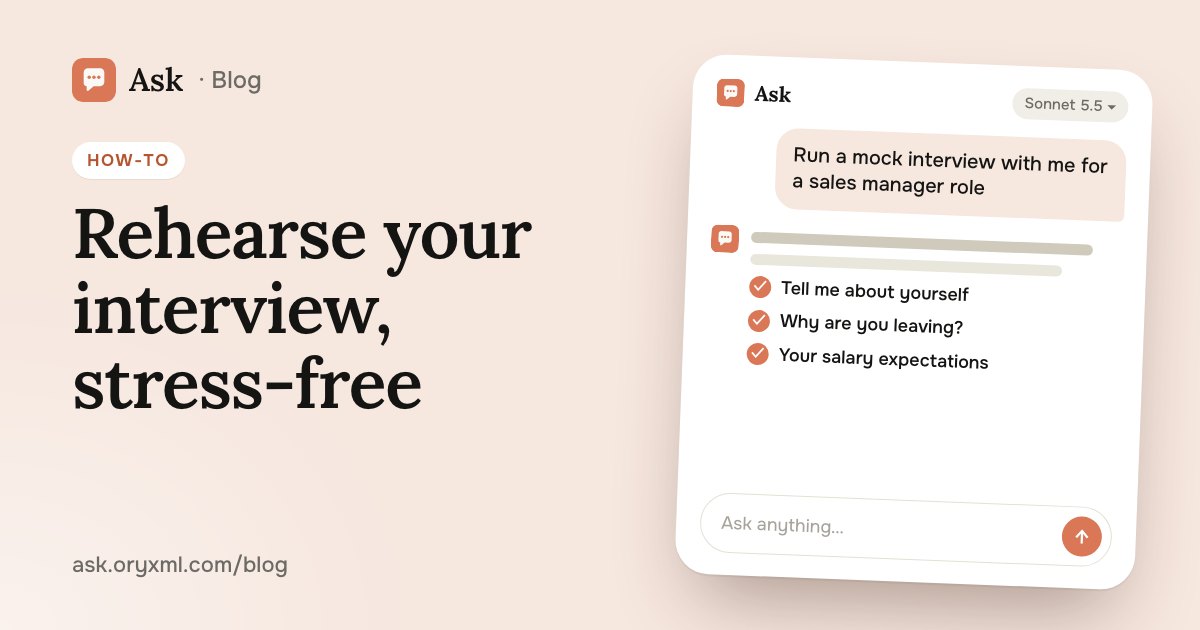
Try asking: Run a mock interview with me for a sales manager role. Ask one question at a time and wait for my answer. After each answer, briefly say what was good, what was weak and how to answer more strongly. Sum up after 8 questions.
A live back-and-forth comes with paid plans; details are on the Plans page. On Free each question is answered on its own: send the question and your answer in one message and ask for feedback.
For behavioural questions, ask the AI to check your answer against a simple shape: situation, task, what you did, the result. Answers often fall apart at the third part: people describe the situation at length and forget to say what they themselves did.
Try asking: Be a strict interviewer and ask follow-up questions if my answer is vague. Don't praise without a reason.
“Tell me about yourself”
You'll almost always hear it, and it's almost always answered by reciting a work history. Aim for a minute to a minute and a half:
- Who you are professionally now, in one sentence.
- Two or three results that matter for this job.
- Why this particular job interests you.
Try asking: Help me write a “tell me about yourself” answer for this job, 60–90 seconds spoken. Use only facts from my resume. Give two versions: calm and more energetic.
Don't memorise it word for word: remember three key points and let the words be your own.
Talking about salary
Preparation matters more than courage here. Learn the range in advance: AI can search the web for current figures, but check them against similar jobs in your city.
Try asking: How should I answer “what are your salary expectations?” when the ad gives no range? Give three phrasings and explain when each fits.
Try asking: Play an employer offering 20% less than I expect. I'll practise my reply.
Name a figure you can justify with your experience, and make clear whether you mean before or after tax.
Questions to ask the employer
At the end you'll nearly always hear “Do you have any questions?”. “No” sounds like a lack of interest. Prepare three or four:
| Topic | Example |
|---|---|
| The work | What would I be working on in the first three months? |
| Expectations | What results would show you I'm doing well? |
| The team | Who would I work with day to day? |
| Terms | How do bonuses and salary reviews work? |
Try asking: Suggest 5 questions to ask the employer for this job that show my interest and help me see whether the company suits me.
Practise out loud
A real interview happens out loud, and what looks fine on screen can sound long when spoken. In Ask you can speak your messages: answer the way you'd answer the interviewer, and ask for feedback on length and filler words as well as content.
Try asking: I'm answering by voice, so there may be filler words in the text. Tell me where I drag on, repeat myself, and what I could say more briefly.
Right before the interview
The day before, put together a one-page cheat sheet. It's easy to make with AI in the same chat where you rehearsed.
Try asking: Search the web for what this company does, its products and what's been in the news about it this year. Then make me a one-page cheat sheet: three facts about the company, my three main results, my “tell me about yourself” in three points and my questions for the employer.
Check the company facts on its own website: AI can mix up companies with similar names. For a video interview, test your sound and camera in advance, and keep the cheat sheet nearby without reading from it.
AI doesn't know the company from the inside and can get details about it wrong, and its advice doesn't guarantee an offer. But after a rehearsal like this, the questions in the real interview will sound familiar rather than new.
If your resume isn't ready yet, start with writing a resume with AI; for sharper requests, see how to ask AI; and to pick a model for the interviewer role, see which AI model to choose.
Frequently asked questions
Can AI interview me like a real recruiter?
Can I practise by voice?
Does the Free plan work for a mock interview?
Can I trust AI's advice on salary?
Try it on your own task
Your first answer arrives in seconds. No VPN, no password, and there’s a free plan.
Ask for freeKeep reading
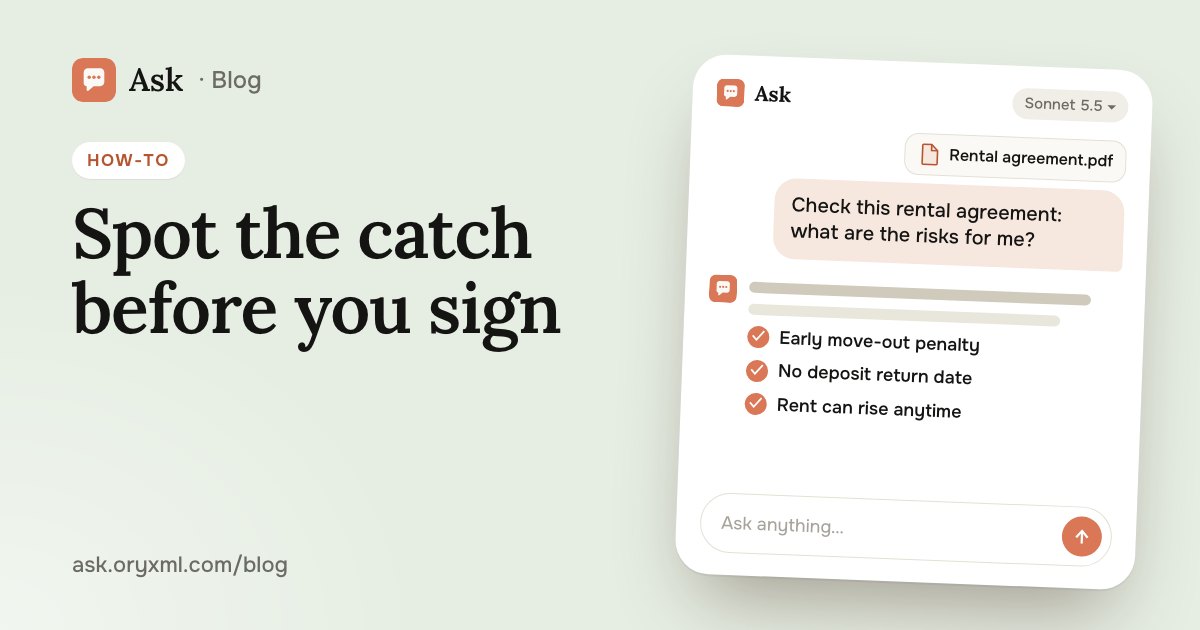
How to check a contract with AI: a step-by-step guide
Check a rental, employment, purchase or service contract with AI: what to ask about penalties, termination and hidden payments, and what AI can't replace.
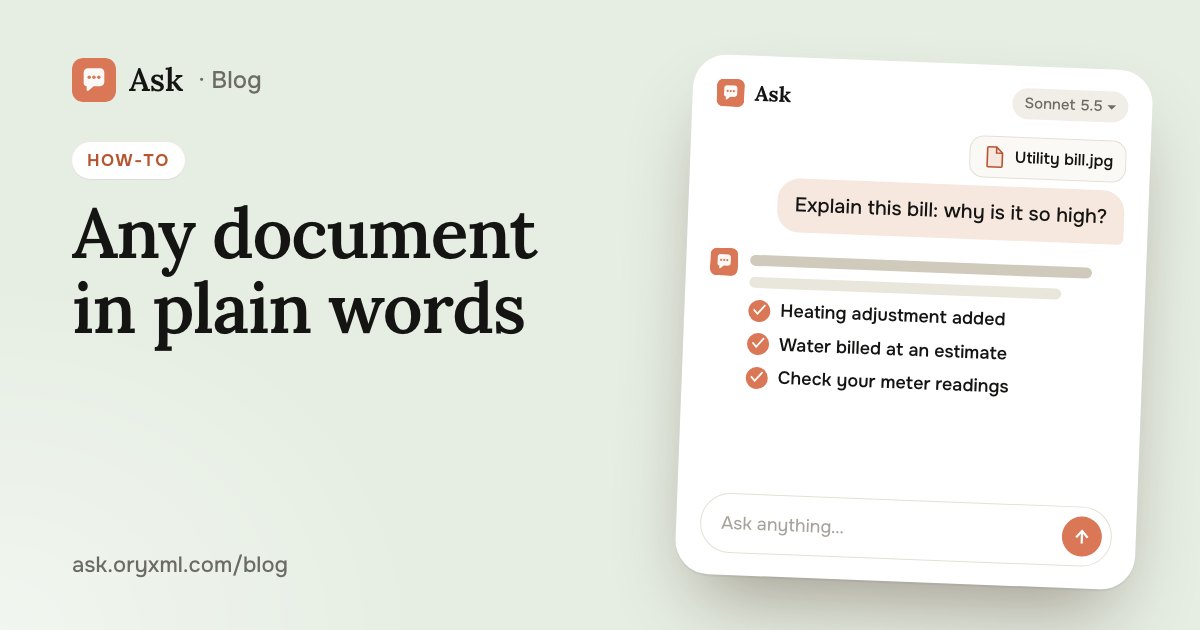
Explain a document from a photo with AI: bills, letters, lab results
Photograph a utility bill, bank statement, manual, official letter or lab results, and AI explains it in plain words. How to shoot it and what to cover first.
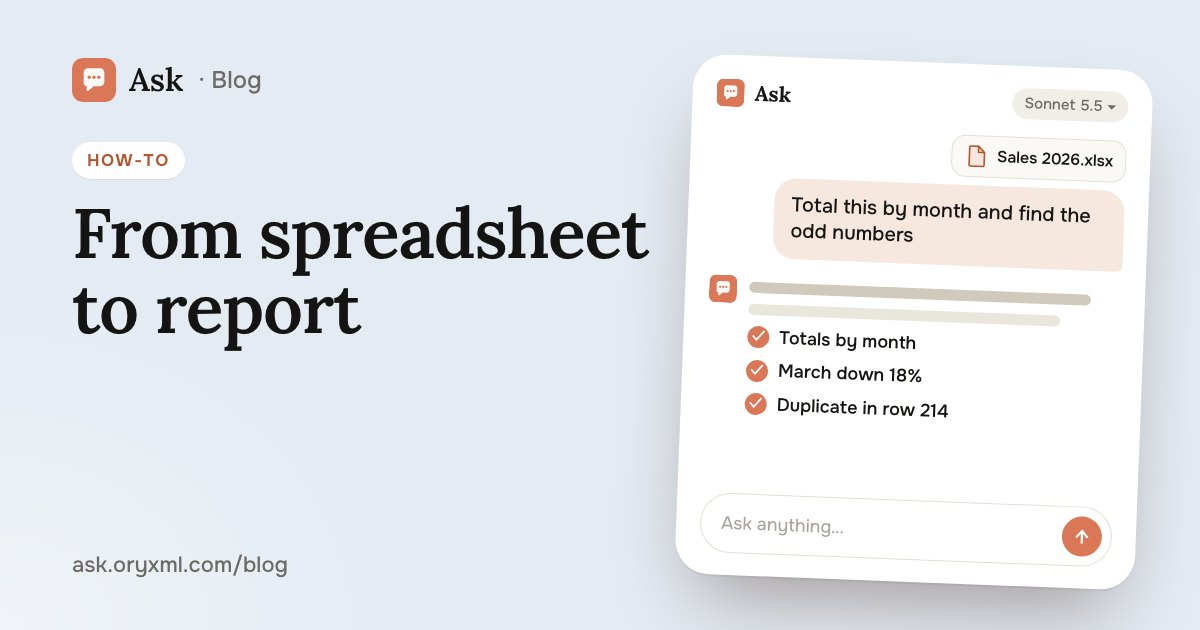
AI for Excel: how to analyse spreadsheets and write reports
Analyse an Excel spreadsheet with AI: totals, trends, outliers, a summary for your boss, VLOOKUP, XLOOKUP and SUMIF explained, data cleaning and what to check.